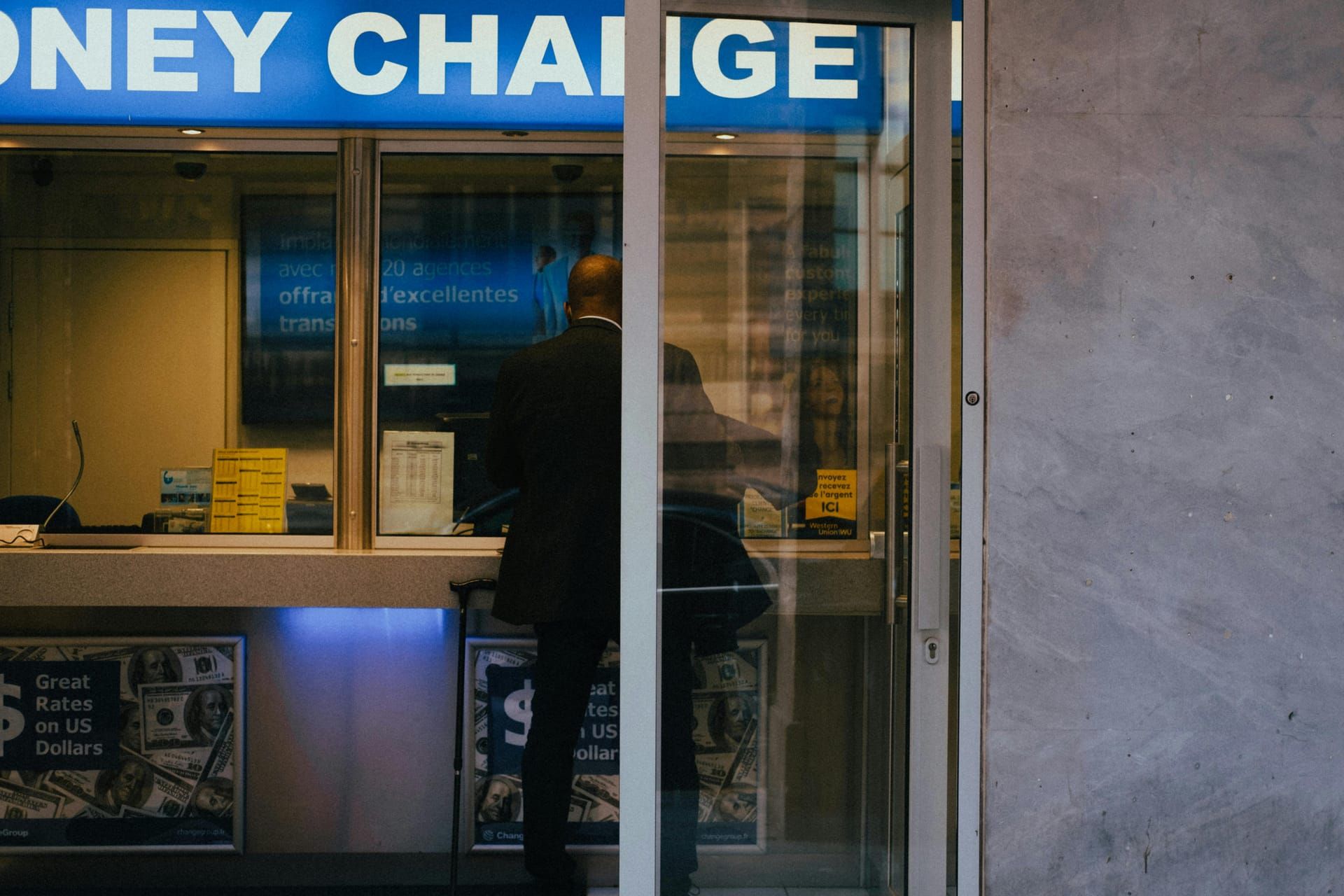
How to Spot Hidden Cross-Border Payment Fees Before They Destroy Your Quarterly Budget
How to Spot Hidden Cross-Border Payment Fees Before They Destroy Your Quarterly Budget. Expert insights for UK businesses on foreign exchange and financial s...

How to Spot Hidden Cross-Border Payment Fees Before They Destroy Your Quarterly Budget
What are the most dangerous hidden fees in cross-border payments that UK businesses overlook? The most costly hidden fees include margin-stacked exchange rates (typically 3-5% above market rates), correspondent banking charges (£15-50 per transaction), weekend processing surcharges (up to 2% additional), and lifting fees for payment amendments (£25-75 each). UK businesses lose an average of £12,000 annually to these concealed charges, with 73% unaware they’re paying inflated foreign exchange rates disguised as “competitive” spreads.
Cross-border payments have become the lifeblood of modern UK business. Whether you’re paying overseas suppliers, collecting from international clients, or managing global payroll, every transaction carries potential pitfalls that can silently erode your quarterly budget.
The challenge isn’t just about finding competitive foreign exchange rates anymore. It’s about understanding the labyrinthine fee structures that payment providers use to maximise their profits whilst appearing transparent. Many UK businesses discover too late that their “fee-free” international transfers actually cost significantly more than advertised.
What Are Hidden Cross-Border Payment Fees?
Hidden cross-border payment fees are charges that aren’t clearly disclosed upfront when you initiate an international payment. Unlike transparent fixed fees, these costs are often embedded within exchange rates, applied retrospectively, or triggered by specific circumstances that weren’t adequately explained.
Traditional banks have perfected the art of fee concealment. They’ll advertise “no transfer fees” whilst applying exchange rate margins of 4-6% above the mid-market rate. For a £50,000 payment, this hidden markup alone costs £2,000-3,000 more than using the real foreign exchange rate.
Modern fintech providers aren’t immune either. They might offer genuine mid-market rates but compensate through volume-based fees, weekend surcharges, or charges for payment tracking and amendments. The key difference lies in transparency rather than total cost elimination.
These fees particularly impact businesses making regular international payments. A manufacturing company paying Chinese suppliers monthly might face consistent correspondent banking fees, whilst a consultancy receiving payments from various countries encounters different fee structures depending on the originating bank’s location and currency.
How Hidden Fees Work in Cross-Border Payments
Understanding the mechanics behind hidden fees helps you spot them before they impact your budget. The process typically unfolds across several stages, each presenting opportunities for additional charges.
Exchange Rate Manipulation represents the most common concealment method. Your payment provider quotes an exchange rate that appears reasonable but includes a hidden margin. They might show GBP/USD at 1.2450 when the actual mid-market rate stands at 1.2650. This 200-point spread translates to £1,600 in hidden costs on a £100,000 transfer.
Correspondent Banking Networks create another fee layer. When your UK bank sends euros to Germany, it often routes through intermediary banks in Frankfurt or Paris. Each correspondent bank deducts handling fees, typically £20-50 per transaction. Your provider might not disclose these charges until after processing.
Weekend and Holiday Processing triggers premium rates at many institutions. Friday afternoon payments often sit until Monday, during which exchange rates can fluctuate significantly. Some providers apply weekend holding fees or process at less favourable rates to compensate for market risk.
Payment Amendment Charges catch businesses off-guard when details need correction. Changing a beneficiary name or account number after submission can cost £25-75, depending on how far the payment has progressed through the banking network.
Receiving Bank Fees add another variable. Your overseas supplier might receive less than expected due to charges applied by their local bank. These fees vary dramatically by country and bank, ranging from £10 in Western Europe to £75 in some African markets.
Benefits of Understanding Hidden Fee Structures
Recognising hidden fees transforms your approach to international payments and delivers measurable financial benefits. Businesses that actively monitor their foreign exchange costs typically reduce payment expenses by 15-25% annually.
Budget Accuracy improves dramatically when you account for all potential charges. Instead of budgeting £50,000 for a supplier payment, you’ll allocate £52,500 to cover realistic total costs. This precision prevents quarterly budget overruns and improves cash flow forecasting.
Supplier Relationship Management benefits from predictable payment amounts. When you understand exactly what your overseas partners will receive after all deductions, you can adjust payment amounts accordingly. This attention to detail strengthens business relationships and prevents disputes over short payments.
Competitive Advantage emerges from accurate cost calculations. If you’re bidding for international contracts, understanding true payment costs helps you price more competitively whilst maintaining margins. Many UK businesses lose tenders because they underestimate foreign exchange expenses.
Compliance Improvements follow naturally from better fee visibility. When you understand the full payment chain, you can better document transactions for regulatory purposes and identify any unusual charges that might indicate processing errors.
Provider Comparison becomes meaningful when you compare like-for-like costs. A bank charging 2% in fees but offering mid-market rates might be cheaper than a fintech provider with 0.5% fees but 1.5% exchange rate margins.
Costs and Considerations for Cross-Border Payments
Understanding the true cost structure of international payments requires examining both visible and hidden elements across different provider types. The landscape varies significantly depending on your chosen payment method and provider.
Traditional High Street Banks typically charge £15-25 in transfer fees plus exchange rate margins of 3-5%. For a £25,000 euro payment, expect total costs of £800-1,300. Weekend processing might add another £50-100. However, banks often provide better regulatory protection and established correspondent networks.
Specialist Foreign Exchange Brokers usually offer tighter spreads of 0.5-2% but may charge dealing fees of £10-20 per transaction. They excel for larger transfers (£25,000+) where the improved exchange rate more than compensates for fixed charges. Many provide forward contracts to lock in rates for future payments.
Digital Payment Platforms like Wise or Remitly advertise transparent pricing with fees of 0.4-1.5% of the transfer amount. However, they might limit transfer sizes or charge premium rates for same-day processing. Their strength lies in smaller, regular payments rather than large commercial transactions.
Cryptocurrency-Based Services offer potentially lower costs but introduce volatility risk and regulatory uncertainty. Whilst fees might be just 0.1-0.5%, exchange rate fluctuations during processing can exceed traditional banking margins. They’re best suited for tech-savvy businesses comfortable with digital assets.
Hidden Cost Variables include receiving bank charges (£10-75 globally), correspondent banking fees (£15-50 per intermediary), and payment investigation costs (£25-100 for tracking delayed transfers). These charges are often unavoidable regardless of your chosen provider.
The total cost equation becomes: Base Fee + Exchange Rate Margin + Correspondent Charges + Receiving Bank Fee + Any Premium Services. For most UK businesses, this ranges from 1.5% to 6% of the transfer amount, depending on size, destination, and urgency.
Is Cross-Border Payment Fee Management Right for Your Business?
Determining whether active fee management suits your business depends on payment volume, complexity, and internal resources. Not every company benefits equally from detailed fee analysis and optimisation efforts.
High-Volume Businesses making over £100,000 in monthly international payments almost always benefit from fee management. The potential savings of £1,500-3,000 monthly justify dedicating resources to provider comparison and negotiation. Manufacturing companies, importers, and international service providers typically fall into this category.
Regular Payment Schedules create opportunities for forward contracts and volume discounts. If you pay the same overseas supplier monthly, you can negotiate better rates and eliminate some variable fees. Businesses with predictable international cash flows gain the most from structured payment arrangements.
Multiple Currency Exposure increases both complexity and potential savings. Companies dealing with five or more currencies face varying fee structures for each market. The administrative burden rises, but so do optimisation opportunities. Professional fee management becomes worthwhile when dealing with diverse international markets.
Tight Margin Businesses must actively manage payment costs regardless of volume. If your gross margins are under 10%, even small fee reductions significantly impact profitability. Retailers, commodity traders, and competitive service providers often find fee management essential for maintaining viability.
Low-Volume Operations might not justify extensive fee management unless individual transactions are substantial. A consultancy making occasional £5,000 payments probably shouldn’t spend hours optimising provider selection. However, they should still understand basic fee structures to avoid costly mistakes.
Internal Capability Assessment matters significantly. Effective fee management requires understanding foreign exchange markets, comparing complex fee structures, and potentially managing multiple provider relationships. Businesses without financial expertise might benefit more from partnering with a specialist broker than attempting independent optimisation.
Next Steps for Protecting Your Budget
Start by conducting a payment audit covering your last quarter’s international transactions. Gather statements from all providers and calculate the true cost of each transfer, including exchange rate margins and hidden fees. This baseline assessment reveals exactly where your money goes and identifies the biggest opportunities for improvement.
Request detailed fee schedules from your current providers. Ask specifically about correspondent banking charges, weekend processing fees, and amendment costs. Many businesses discover they’re paying for services they don’t need or could obtain more cheaply elsewhere.
Compare at least three alternative providers for your typical payment scenarios. Include traditional banks, specialist brokers, and digital platforms in your analysis. Focus on total cost rather than headline rates, and consider factors like processing speed, customer service, and regulatory protection.
Consider implementing payment timing strategies to avoid premium charges. Scheduling transfers early in the week, avoiding month-end processing peaks, and using forward contracts for predictable payments can reduce costs significantly without changing providers.
Frequently Asked Questions
What’s the difference between transparent fees and hidden margins in foreign exchange?
Transparent fees are clearly stated upfront (like £20 per transfer), whilst hidden margins are embedded in exchange rates. A provider might quote GBP/EUR at 1.1500 when the real market rate is 1.1650, hiding a 1.3% margin. Always ask for the mid-market rate comparison to identify hidden costs.
How do correspondent banking fees work and can I avoid them?
Correspondent banks handle transfers between institutions that don’t have direct relationships. Each intermediary charges £15-50 for processing. You can minimise these by choosing providers with extensive direct banking networks or using digital platforms that bypass traditional correspondent systems entirely.
Why do weekend payments cost more and how much extra should I expect?
Weekend payments carry higher risk due to market volatility when banks are closed. Providers typically add 0.5-2% to exchange rates or apply fixed weekend surcharges of £25-100. Processing Friday afternoon often means Monday execution at potentially worse rates.
What are lifting fees and when do they apply?
Lifting fees (£25-75) apply when you need to amend or cancel a payment after submission. Changes to beneficiary details, amounts, or timing trigger these charges. The fee increases based on how far the payment has progressed through the banking system.
How can I calculate the true cost of my international payments?
Add the transfer fee, exchange rate margin (compare to mid-market rate), correspondent charges, and receiving bank fees. For a £50,000 transfer, this might total £1,500-3,000 depending on the provider. Request a full breakdown before committing to any transfer.
Do digital payment platforms really offer better value than banks?
Digital platforms often provide better exchange rates and transparent pricing for smaller transfers (under £25,000). However, banks might be competitive for larger amounts and offer better customer protection. Compare total costs including all fees rather than focusing solely on exchange rates.
What’s a forward contract and how does it help with payment costs?
Forward contracts lock in today’s exchange rate for future payments (up to 12 months ahead). This eliminates currency risk and often provides better rates than spot transactions. They’re ideal for businesses with predictable international payment schedules, though they require commitment to the agreed amount and timing.
How do receiving bank charges vary by country?
Receiving bank fees range from £10 in Western Europe to £75+ in developing markets. European SEPA transfers often have minimal charges, whilst payments to Africa, Asia, and Latin America face higher local banking fees. Ask your overseas partners about typical charges in their country.
Can I negotiate better rates with my current payment provider?
Yes, especially for regular high-value transfers. Providers often offer volume discounts, reduced margins, or waived fees for loyal customers. Present competitive quotes and demonstrate your payment volume to strengthen negotiations. Business banking relationship managers usually have authority to improve terms.
What red flags should I watch for when choosing a payment provider?
Avoid providers who won’t disclose mid-market rate comparisons, refuse to explain their fee structure clearly, or pressure you into immediate decisions. Be wary of rates that seem too good to be true – they often hide costs elsewhere. Always verify regulatory authorisation with the FCA before transferring funds.
References and Data Sources
Cost and Fee Data
- UK Finance Payment Statistics Report 2025
- FCA Consumer Market Study: Cross-Border Payments 2025
- Bank of England Foreign Exchange Market Survey 2025
Industry Statistics
- British Business Bank International Trade Finance Report 2026
- HM Treasury Cross-Border Payments Review 2025
- UK Finance Corporate Payment Trends Analysis 2025
Regulatory Information
- Financial Conduct Authority Payment Services Regulations 2025
- UK Finance Cross-Border Payment Guidelines 2025
- Bank of England Payment Systems Oversight Annual Report 2025
Market Analysis
- Competition and Markets Authority Banking Market Study 2025
- UK Finance Digital Payments Innovation Report 2026
- FCA Occasional Paper: Payment Services Competition 2025
Information accurate as of December 2024. Market conditions and specific terms vary by provider. Always verify current rates and fees directly with your chosen payment service provider before making financial decisions.
Ready to reduce your cross-border payment costs? Compare quotes from multiple providers to find the best rates and transparent fee structures for your business needs. Our comparison tool helps you identify genuine savings opportunities whilst avoiding hidden charges that could impact your quarterly budget.
Ready to compare FX providers?
Compare quotes from leading UK FX providers in 60 seconds. No obligation, completely free.
Ready to Get Started?
Compare quotes from leading UK factoring providers and find the best rates for your business.
Get Your QuotesRelated Articles