How to Pay Overseas Suppliers Without Haemorrhaging Profit to Hidden Bank Charges
How to Pay Overseas Suppliers Without Haemorrhaging Profit to Hidden Bank Charges. Expert insights for UK businesses on foreign exchange and financial soluti...
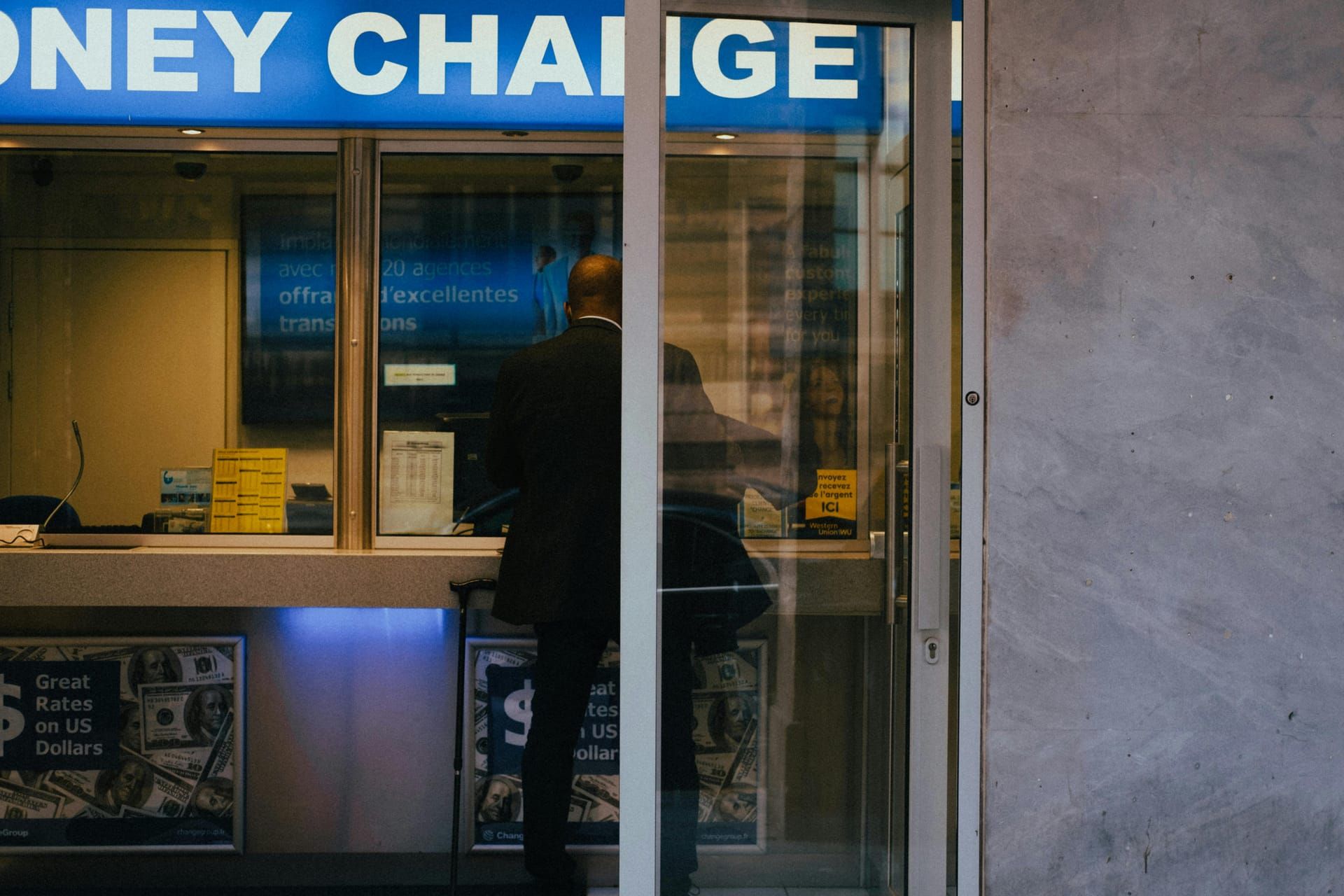
How to Pay Overseas Suppliers Without Hemorrhaging Profit to Hidden Bank Charges
What are the most common ways UK businesses lose money on overseas supplier payments? UK businesses typically lose 3-5% of their payment value through hidden bank charges, poor exchange rates, and inefficient transfer methods. Traditional banks often add margins of 2-4% above the mid-market rate, while charging additional fees of £15-40 per transaction. These costs compound quickly, a business making £50,000 monthly in overseas payments could lose £1,500-2,500 annually to avoidable charges, significantly impacting profit margins and competitiveness.
Running a UK business that relies on overseas suppliers presents a familiar challenge: every payment feels like watching profits evaporate through hidden charges and poor exchange rates. You’re not imagining it—traditional banking methods can easily cost your business thousands of pounds annually in unnecessary fees.
The foreign exchange market processes over $7.5 trillion daily, yet many UK businesses still rely on their high street bank for international payments. This approach often proves expensive and inefficient, particularly for companies making regular supplier payments abroad.
What Are Hidden Bank Charges in International Payments?
Hidden bank charges represent the various fees and unfavourable exchange rates that traditional banks apply to international transfers, often without clear disclosure upfront. These charges typically include exchange rate margins, correspondent banking fees, intermediary bank charges, and receiving bank fees.
Most UK businesses discover these costs only after completing their first few international payments. Banks rarely advertise their full fee structure prominently, instead focusing on headline transfer fees while burying the more substantial exchange rate margins in small print.
The foreign exchange component often represents the largest hidden cost. While banks might advertise “competitive rates,” they typically offer exchange rates that are 2-4% worse than the mid-market rate you’d see on financial news websites. For a £10,000 payment, this difference alone could cost £200-400 in reduced value for your supplier.
How Traditional Bank Charges Work
Understanding how banks structure international payment fees helps explain why costs accumulate so quickly. The process typically involves multiple layers of charges, each adding to your total cost.
Exchange Rate Margins: Banks buy foreign currency at one rate and sell it to you at a higher rate. This spread represents their profit margin. High street banks often apply margins of 3-5% above the mid-market rate, though they rarely advertise this clearly.
Transfer Fees: Most banks charge a flat fee for international transfers, typically ranging from £15-40 depending on the destination and transfer method. Swift payments usually cost more than standard transfers.
Correspondent Banking Charges: When your bank doesn’t have direct relationships with overseas banks, they use correspondent banks as intermediaries. Each intermediary may deduct fees from your transfer, reducing the amount your supplier receives.
Receiving Bank Fees: The destination bank often charges fees for processing incoming international transfers. These charges get deducted from your payment amount, meaning your supplier receives less than you sent.
Currency Conversion Fees: If your payment requires multiple currency conversions (for example, GBP to USD to local currency), each conversion incurs additional charges and less favourable rates.
The cumulative effect can be substantial. A £5,000 payment to a supplier in Thailand might incur a £25 transfer fee, lose £150 through poor exchange rates, face £30 in correspondent banking charges, and have another £20 deducted by the receiving bank. Your £5,000 payment effectively costs £5,225 while your supplier receives only £4,950.
Benefits of Alternative Foreign Exchange Solutions
Modern foreign exchange solutions offer significant advantages over traditional banking methods, particularly for businesses making regular overseas payments. These benefits extend beyond simple cost savings to include improved cash flow management and better supplier relationships.
Transparent Pricing: Specialist foreign exchange providers typically offer clear, upfront pricing with no hidden fees. You’ll know exactly what you’re paying and what your supplier will receive before confirming any transfer.
Better Exchange Rates: Many providers offer rates within 0.5-1.5% of the mid-market rate, compared to banks’ typical 2-4% margins. This difference can save hundreds or thousands of pounds annually for businesses with regular international payments.
Faster Transfer Times: While traditional bank transfers often take 3-5 business days, many modern providers complete transfers within 24 hours or even minutes for certain currency corridors.
Payment Scheduling: Forward contracts allow you to lock in exchange rates for future payments, protecting against currency fluctuations. This feature proves particularly valuable for businesses with predictable supplier payment schedules.
Multi-Currency Accounts: Some providers offer accounts that hold multiple currencies, allowing you to receive payments in one currency and pay suppliers in another without multiple conversions.
Dedicated Support: Unlike high street banks where international transfers might be handled by general customer service, specialist providers typically offer dedicated relationship managers who understand your business needs.
Integration Capabilities: Many providers offer API integrations with accounting software, enabling automated payment processing and better financial reporting.
For a UK manufacturer paying €20,000 monthly to European suppliers, switching from a high street bank to a specialist provider could save £3,000-6,000 annually while improving payment reliability and cash flow predictability.
Costs and Considerations of Alternative Solutions
While alternative foreign exchange solutions typically offer better value than traditional banks, understanding their cost structures helps you make informed decisions. Different providers use various pricing models, and the best choice depends on your specific payment patterns and volumes.
Transfer Fees: Most specialist providers charge lower fixed fees than banks, typically £3-15 per transfer. Some providers offer fee-free transfers for larger amounts or regular customers, though these savings usually come through slightly wider exchange rate spreads.
Exchange Rate Spreads: Competitive providers typically offer spreads of 0.5-1.5% above the mid-market rate. However, rates can vary based on currency pairs, transfer amounts, and market volatility. Exotic currencies generally attract wider spreads than major currency pairs like EUR/GBP or USD/GBP.
Account Management Fees: Some providers charge monthly or annual account maintenance fees, particularly for premium services with dedicated relationship managers. These fees typically range from £10-50 monthly but may be waived for businesses with regular transfer volumes.
Minimum Transfer Amounts: Many providers set minimum transfer thresholds, often £1,000-5,000 for business accounts. This requirement might not suit businesses making frequent small payments to multiple suppliers.
Regulatory Protections: While banks offer FSCS protection up to £85,000, foreign exchange providers operate under different regulatory frameworks. Most reputable providers are authorised by the FCA and segregate client funds, but protection levels may differ from traditional banking.
Currency Availability: Not all providers support every currency corridor. If you work with suppliers in less common destinations, you’ll need to verify currency availability and associated costs.
Speed vs Cost Trade-offs: Faster payment options typically cost more. Same-day transfers might incur premium charges, while standard transfers (1-2 business days) usually offer the best rates.
The total cost comparison depends on your payment patterns. A business making monthly £10,000 transfers to the EU might pay £400-800 annually through a bank versus £150-300 through a specialist provider, representing potential savings of £250-500 yearly.
Is Alternative Foreign Exchange Right for Your Business?
Determining whether to switch from traditional banking depends on several factors specific to your business operations and payment patterns. Not every business benefits equally from alternative solutions, and the decision requires careful consideration of your specific circumstances.
Payment Volume and Frequency: Businesses making regular international payments typically see the greatest benefits. If you’re paying overseas suppliers monthly or more frequently, the cumulative savings can be substantial. However, businesses making occasional international payments might find the setup effort outweighs the benefits.
Payment Amounts: Larger transfers generally offer better rates and fee structures with specialist providers. If your typical payments exceed £5,000, you’re likely to see meaningful savings. Smaller, frequent payments might benefit from providers offering low or no transfer fees rather than those focusing purely on exchange rates.
Currency Requirements: Major currency pairs (EUR, USD, CAD, AUD) typically offer the best rates and fastest processing times. If you regularly pay suppliers in less common currencies, research provider coverage and associated costs carefully.
Cash Flow Predictability: Businesses with predictable payment schedules can benefit significantly from forward contracts, locking in favourable rates for future payments. This feature proves particularly valuable during periods of currency volatility.
Administrative Capacity: While most providers offer user-friendly platforms, switching does require some administrative setup and staff training. Consider whether your team has capacity to manage relationships with multiple financial service providers.
Risk Tolerance: Traditional banks offer familiar regulatory protections and established relationships. Alternative providers, while typically well-regulated, represent a change that some businesses prefer to avoid.
Existing Banking Relationships: Some businesses receive preferential rates from their banks due to broader relationship values. If your bank offers competitive international payment rates as part of a wider service package, switching might not provide significant benefits.
Geographic Considerations: Certain providers specialise in specific regions or currency corridors. A business primarily dealing with Asian suppliers might benefit from a provider with strong networks in that region, while European-focused businesses might prioritise different capabilities.
The decision often comes down to simple mathematics: calculate your annual international payment costs under your current arrangement, compare this with quotes from alternative providers, and factor in any additional features that provide business value beyond pure cost savings.
Next Steps for Optimising Your International Payments
Taking action to reduce your international payment costs requires a structured approach to ensure you select the most suitable solution for your business needs. The process needn’t be complicated, but thorough evaluation helps avoid costly mistakes.
Audit Your Current Costs: Start by calculating exactly what you’re paying for international transfers over a typical quarter or year. Include all fees, exchange rate losses, and any costs associated with payment delays or failures. This baseline helps you evaluate potential savings accurately.
Gather Payment Data: Document your typical payment patterns—amounts, frequencies, destinations, and currencies. This information helps providers offer accurate quotes and ensures you compare like-for-like services.
Research Provider Options: Focus on FCA-authorised providers with strong reputations and relevant experience in your industry or geographic markets. Read reviews from similar businesses and check regulatory status through the FCA register.
Request Detailed Quotes: Obtain quotes from multiple providers, ensuring they cover your specific requirements. Ask about all fees, exchange rate spreads, transfer times, and any volume-based discounts. Don’t rely solely on headline rates—understand the complete cost structure.
Test With Small Transfers: Before committing to large payments, test providers with smaller transfers to evaluate their service quality, transfer speeds, and customer support responsiveness.
Review Documentation Requirements: Understand what documentation each provider requires for account setup and ongoing transfers. Some providers have more streamlined processes than others, which can impact your administrative burden.
Consider Integration Needs: If you use accounting software or ERP systems, investigate whether providers offer integration capabilities that could streamline your payment processes.
Plan the Transition: Develop a transition plan that maintains payment continuity to your suppliers. Consider running parallel systems initially to ensure reliability before fully switching over.
The foreign exchange market offers significant opportunities for UK businesses to reduce international payment costs while improving service quality. However, success requires careful provider selection and proper implementation planning.
Frequently Asked Questions
What’s the typical cost difference between banks and specialist foreign exchange providers?
Specialist providers typically offer total costs 50-70% lower than traditional banks. While banks might charge 3-5% in combined fees and exchange rate margins, competitive providers often charge 1-2% total. For a business making £100,000 annually in international payments, this could represent savings of £2,000-3,000 per year.
How long does it take to set up an account with a foreign exchange provider?
Most FCA-authorised providers complete account setup within 2-5 business days, depending on documentation requirements and compliance checks. Business accounts typically require company registration documents, director identification, and proof of address. Some providers offer expedited setup for urgent requirements, though this may incur additional charges.
Are foreign exchange providers as secure as traditional banks?
Reputable FCA-authorised providers must segregate client funds and maintain appropriate capital reserves. While they don’t offer FSCS protection like banks, client money regulations provide substantial protection. Many providers also carry professional indemnity insurance and maintain relationships with tier-one banking partners for actual fund transfers.
Can I still use forward contracts to protect against currency fluctuations?
Yes, most business-focused foreign exchange providers offer forward contracts, typically for periods up to 12 months or longer. These contracts allow you to lock in current exchange rates for future payments, protecting against adverse currency movements. Minimum contract values typically start around £5,000-10,000.
What happens if a transfer fails or gets delayed with an alternative provider?
Established providers typically offer faster resolution times than banks for payment issues. Most maintain 24/7 monitoring systems and dedicated support teams. However, you should understand each provider’s liability policies and service level agreements before choosing. Some offer guaranteed transfer times with compensation for delays.
Do I need to close my business bank account to use a foreign exchange provider?
No, foreign exchange providers complement rather than replace your business banking relationship. You’ll typically transfer funds from your business account to the provider, who then converts and sends the payment internationally. This approach often provides better rates while maintaining your existing banking arrangements.
How do minimum transfer amounts compare between different providers?
Minimum transfer requirements vary significantly between providers. Some have no minimums for established customers, while others require £1,000-5,000 per transfer. Business-focused providers typically offer lower minimums than those targeting high-net-worth individuals. Consider your typical payment sizes when comparing options.
Can foreign exchange providers handle payments to all countries?
Coverage varies by provider, with most supporting 50-150+ countries. Major economies and currency pairs typically offer the best rates and fastest processing. Some providers specialise in specific regions, potentially offering better services for those corridors. Always verify coverage for your required destinations before committing.
What documentation do I need for each international payment?
Documentation requirements depend on destination country regulations and payment amounts. Most transfers require invoice details, beneficiary information, and purpose of payment. Some countries require additional documentation for larger amounts or specific transaction types. Established providers typically provide guidance on requirements for each destination.
How do exchange rates compare throughout the day with different providers?
Exchange rates fluctuate continuously during market hours, and providers update their rates at different frequencies—some every few seconds, others every few minutes. Most providers show live rates on their platforms, allowing you to time transfers advantageously. Some also offer rate alerts to notify you when your target rate becomes available.
References and Data Sources
Cost and Fee Data
- UK Finance, “International Payments Cost Analysis 2025,” UK Finance Industry Report
- FCA, “Foreign Exchange Market Study: Final Report 2025,” Financial Conduct Authority
- British Business Bank, “SME International Trade Finance Survey 2025,” Government Statistical Service
Industry Statistics
- Bank for International Settlements, “Triennial Central Bank Survey 2025: Foreign Exchange Turnover”
- ONS, “UK Balance of Payments Statistical Bulletin Q4 2025,” Office for National Statistics
- HMRC, “UK Trade Statistics 2025: Import/Export Analysis,” HM Revenue & Customs
Regulatory Information
- FCA, “Payment Services and Electronic Money Regulations 2025,” Financial Conduct Authority
- UK Finance, “International Payment Services Code 2025,” Industry Standards
- European Banking Authority, “Cross-Border Payment Guidelines 2025,” EBA Regulatory Standards
Market Analysis
- PwC, “Global Foreign Exchange Market Report 2025,” Professional Services Analysis
- Deloitte, “UK SME International Trade Survey 2025,” Business Advisory Research
Information accurate as of January 2026. Market conditions and specific terms vary by provider. Exchange rates fluctuate continuously and historical performance doesn’t guarantee future results. Always verify current rates and terms directly with providers before making financial decisions.
Ready to stop losing money on international supplier payments? Use our comparison tool to get personalised quotes from FCA-authorised foreign exchange providers. Compare rates, fees, and services tailored to your business requirements—it takes just 2 minutes and could save you thousands annually. Get your free comparison now and start keeping more of your hard-earned profits.
Ready to compare FX providers?
Compare quotes from leading UK FX providers in 60 seconds. No obligation, completely free.
Ready to Get Started?
Compare quotes from leading UK factoring providers and find the best rates for your business.
Get Your QuotesRelated Articles